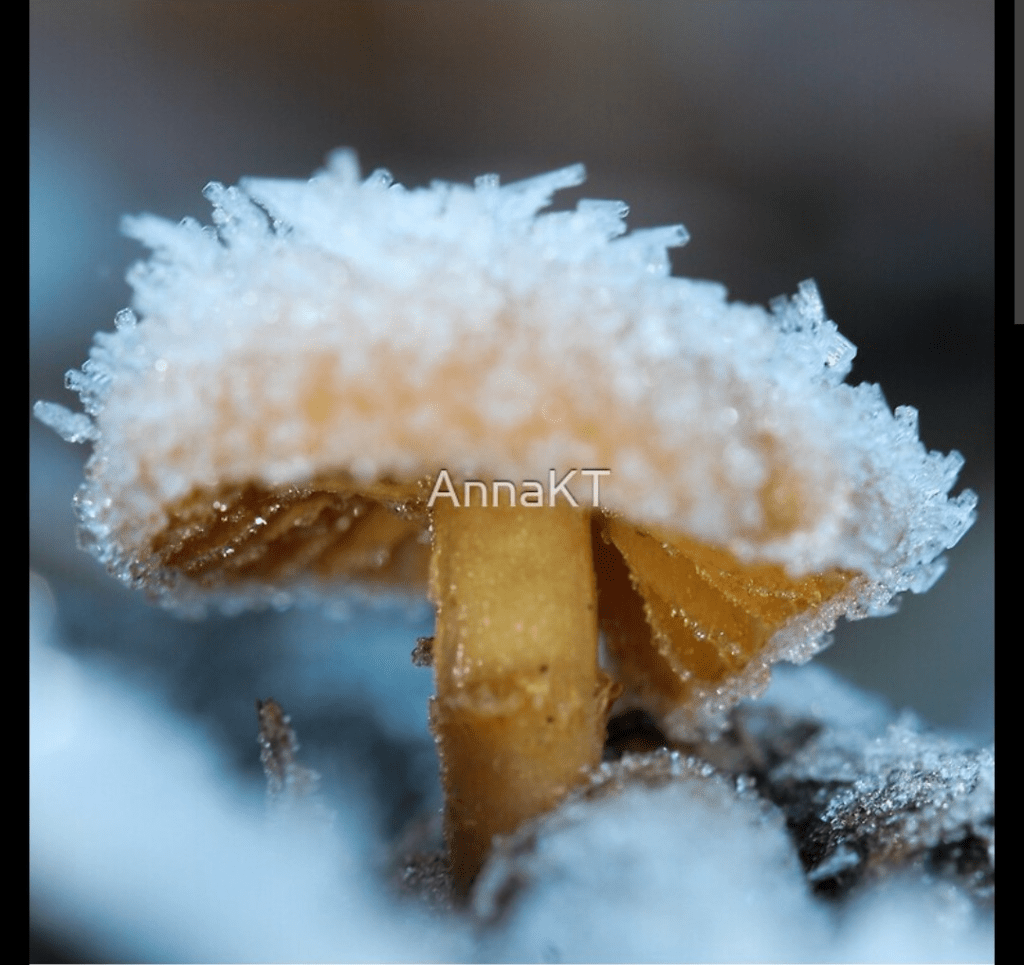
Cold…cold…. cold….. GOOD!
YES I am shivering on my walks as the temperature plummets. But I love it. Cold weather makes me feel great. (Full disclosure: as long as my sinuses are covered.) Deep freezing must be death to mold spores, right? — everything smells so clean outside. Death also to some bacterias. My energy rises as the temperature drops.
I am not fooled out of my vigilante stance. I know there are always more molds, more bacteria. I know that different molds prefer all kinds of different conditions. Some molds survive at thousands of degrees, according to Evan Brand, my functional medicine practitioner. Ok, so dormant not dead. But hey, dormant is good, I’ll take it!
I want to know if my garden also appreciates the deep chill. Does a deep chill mean a deep kill of invasive bugs? Instinctively I feel this should be true: death to the predatory overwintering insects and their eggs? Death to Lyme ticks? Was it my imagination that the asparagus beetles were worse back in Maryland, after the mild winters without a hard frost?
I checked in with soil scientist Sam Schaeffer- Morrison (also my nephew-in-law) who studies soil life and soil communities. He said that there are several ways that freezing temperatures benefit the soil. For instance at the macro level “freeze-thaw cycles physically disrupt the soil, breaking up large aggregates and improving soil texture.” Ok, I get that, breaking up the soil is a big part of gardening.
There are also benefits at the chemical and biological level, Sam says, where the freezing can cause the formation of higher concentrations of the mineral ions such as nitrogen and phosphorus to be squeezed from the icy soil. This can allow greater access to those ions to plants/organisms outside the freezing zone. Well, at least it’s good for somebody, if not my frozen garden. “Freezing can also kill cells of both roots and microorganisms and cause them to rupture,” Sam says,”releasing nutrients into the environment for use by other organisms once the soil thaws. From an ecosystem standpoint freezing also slows down soil respiration and therefore helps to increase the capacity of soil to store carbon.”
Wow, that’s a lot for this organism to digest. I knew there was a reason I didn’t get a PhD in chemistry. Thanks Sam! Back to your research.
Then what about insect pests? The Farmers Almanac tells us not as many bugs die in the cold as gardeners could wish. On the one hand, “When winter temperatures never reach extreme lows, [certain insects] survive until spring unharmed and ready to reproduce.” But on the other hand, “the emerald ash borer… can generally withstand temperatures as low as -20°F.” Not likely to happen outside Philly. A continued goodbye to our ash trees.
And then there’s this piece of Grinchly news: …”many insect pest species that can cause economic damage in Pennsylvania (e.g., potato leaf hopper, black cutworm, armyworms) are migratory and come to Pennsylvania from southern states where they spend the winter.” (Embrace the Cold, PennStateExtension) Great. Apparently slugs are killed in the cold, but not if there’s heavy snow which insulates them. I did notice fewer slugs last growing season in my strawberries compared to the year before.
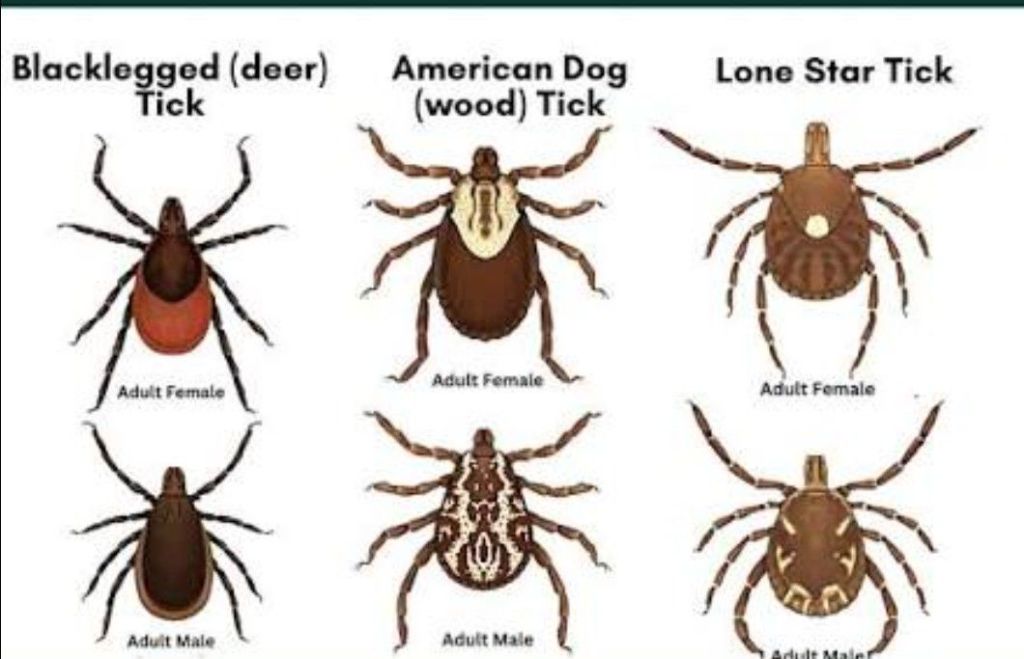
And then ticks. I am depressed to tell you, gardening friends, that ticks are not much impacted by freezing weather. The PA Ticklab says don’t let down your guard: “…ticks in the winter climates still find a way to survive, even during spells of below-zero temperatures. ” ( https://www.ticklab.org/blog/2021/01/08/surviving-winter/)
Ok! Time to get chickens! — although the jury is out on how many ticks backyard chickens consume. Not as many as we were told, and contrary to urban legend, opossums really don’t eat ticks at all.
In looking at how to control our garden problems, it may be wise to take a meditative stance. Cycles of freezing and thawing break up the soil, as Sam said. We get impatient with cycles. We want a straight line from our desires to our desired result, asap. But if we pause, observe, and study, we learn that “there’s an app for that” already existing. There is the freeze and thaw cycle. There is in the cycle of birth, predation, death, and replenishment of soil. All cycles of nature work within each other, but in incredibly complex relationships that will take us more than a lifetime to understand— and that’s if we pay attention. As organic gardeners, we want to work within these cycles.
So, freeze, thaw, freeze, thaw, and have a cup of tea. Study your seed catalogues. Watch The Biggest Little Farm documentary one more time. And get ready for whatever and whoever is happening in your soil this winter to reveal itself (themselves) in the coming season. ❤️

 Suburban Growing